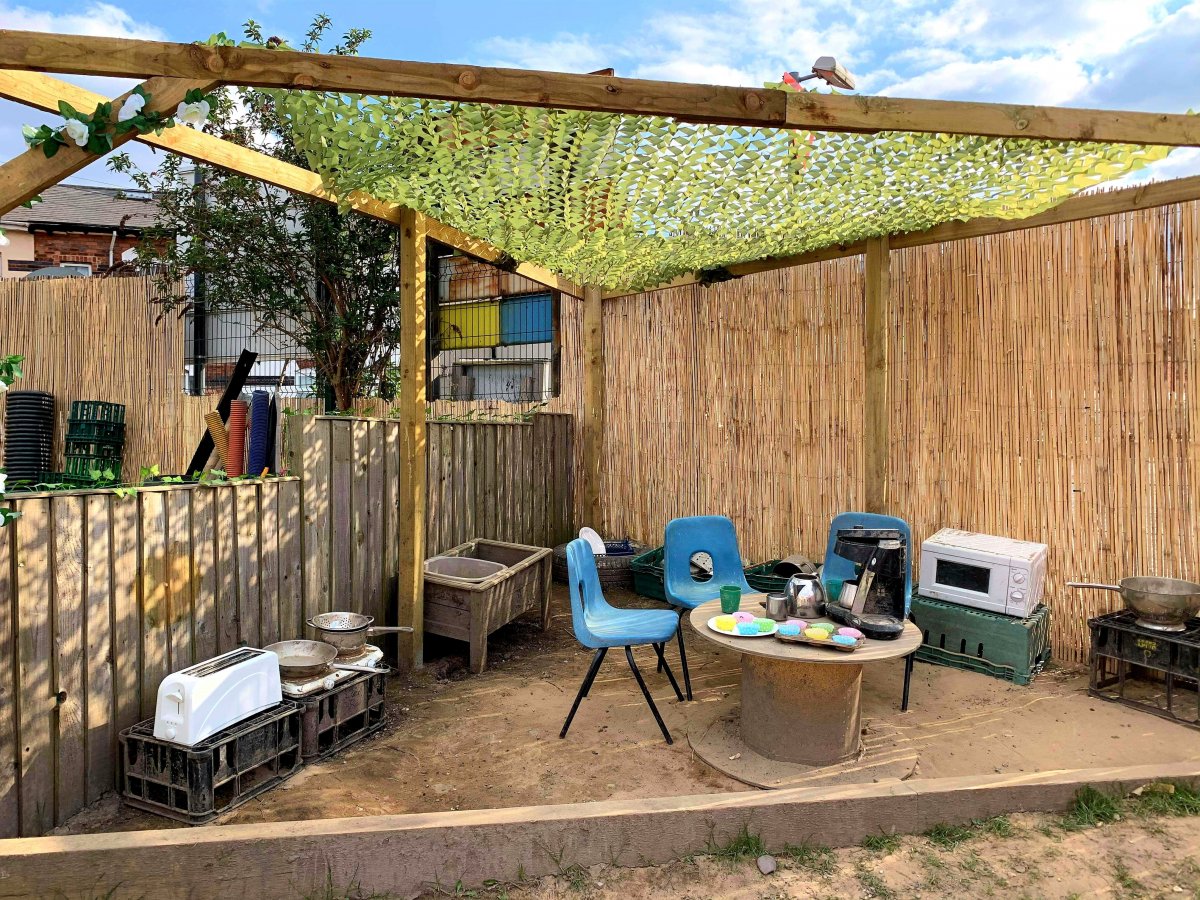
The Importance of a Free-Flow, Play-Based Environment
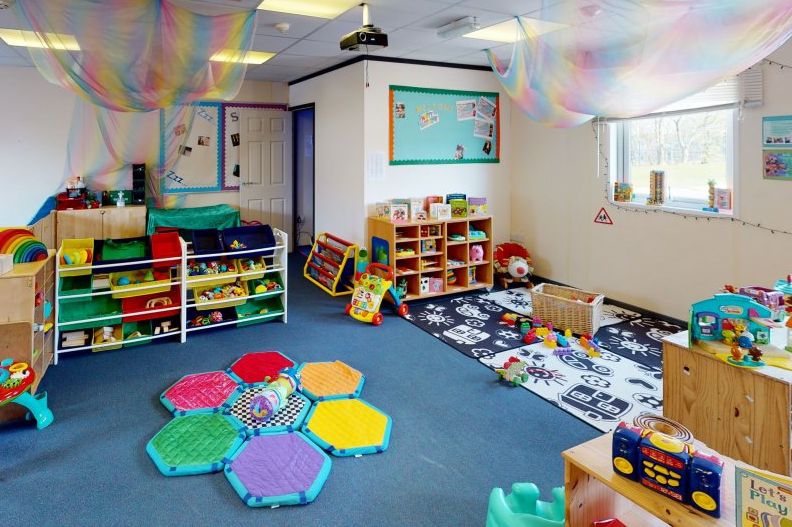
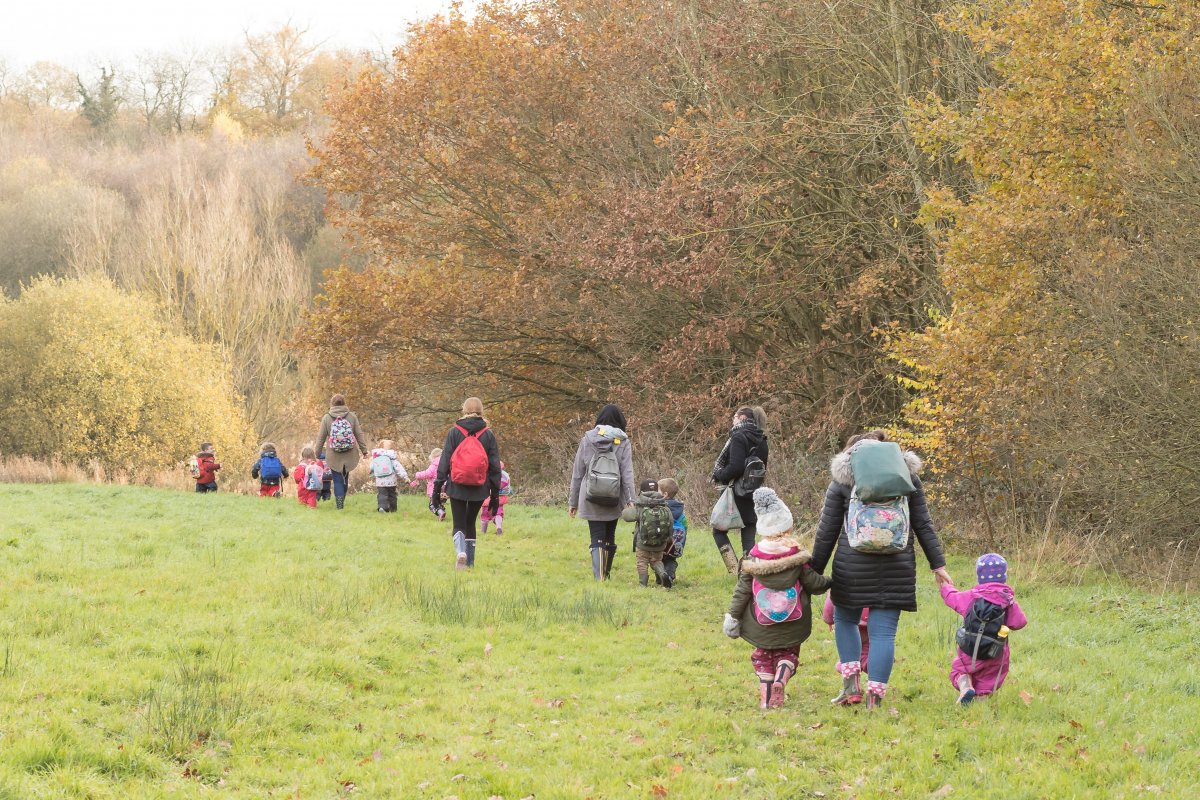
At Our Monkey Club, we embrace a free-flow, play-based environment that allows children to move freely between indoor and outdoor spaces throughout the day. This approach to learning is centred on the idea that children thrive when they have autonomy over their experiences, giving them the freedom to explore, create, and learn at their own pace.
Supporting Self-Directed Learning A free-flow environment empowers children to choose activities and experiences that match their own interests and developmental needs. By allowing children to decide where they want to play—whether indoors or outdoors—they are naturally drawn to activities that spark their curiosity and match their current learning goals. This self-directed learning helps children develop intrinsic motivation, meaning they engage in activities because they find them interesting and enjoyable, rather than being guided by adult-led tasks.
Promoting Focus and Engagement When children are given the freedom to choose their activities and move between different spaces, they are more likely to remain focused and engaged in their learning. This autonomy allows them to pursue activities they are motivated by, which leads to more sustained attention and deeper involvement in tasks. As a result, they are more likely to make meaningful connections in their learning, which promotes critical thinking and problem-solving skills.
Encouraging Holistic Development By offering a combination of indoor and outdoor play, children are exposed to a wide range of sensory experiences, physical challenges, and social interactions that support their holistic development. Outdoor play promotes physical health, encouraging movement, balance, and coordination, while indoor activities often focus on fine motor skills, creativity, and cognitive tasks. The combination of these environments supports children’s social, emotional, cognitive, and physical development.
Individual Learning Styles
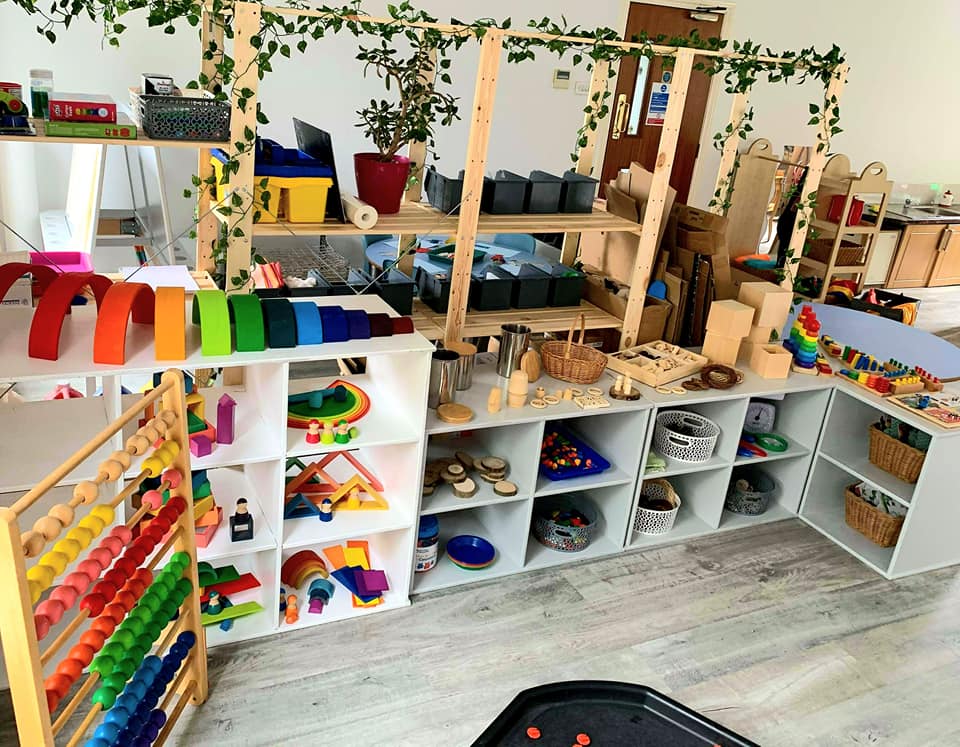
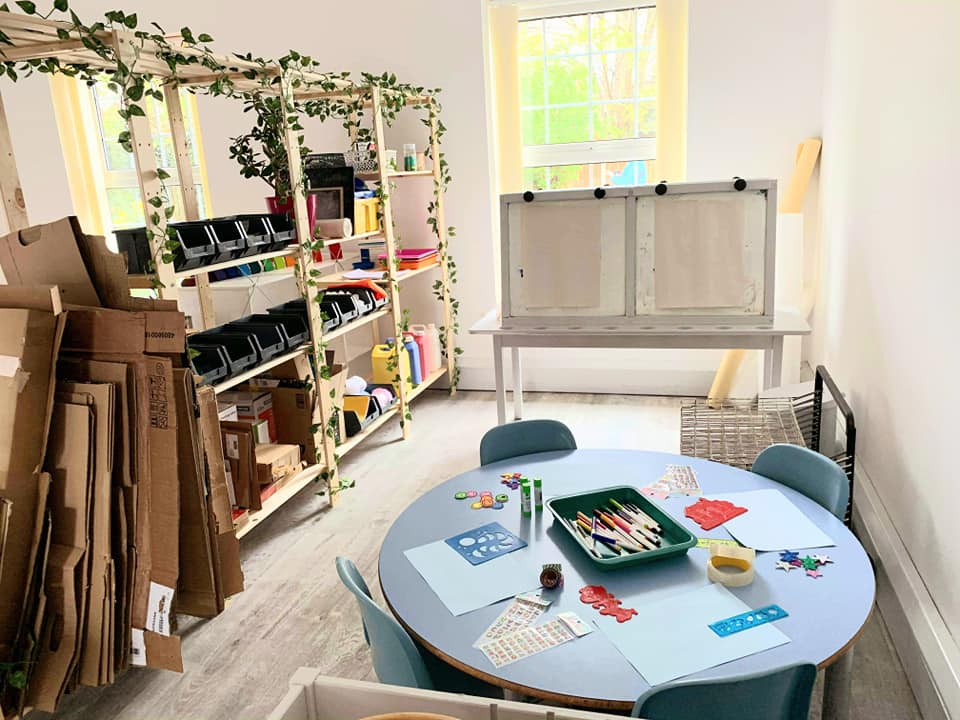
Children learn in different ways, and a free-flow environment provides the flexibility to accommodate a variety of learning styles. Some children may prefer the active, exploratory nature of outdoor play, while others may thrive in a quieter indoor space where they can engage in focused activities such as building or drawing. This flexibility ensures that every child can engage in learning experiences that are most effective for them, fostering confidence and a sense of achievement.
Current Learning Interests
The free-flow, play-based approach also ensures that children can focus on experiences that reflect their current learning interests. For example, if a child is particularly interested in constructing buildings, they can spend time engaging in block play, developing spatial awareness and problem-solving skills. If another child is curious about nature, they can explore the outdoor environment, learning about the world around them and developing a sense of wonder and inquiry. These experiences are more impactful because they build on children’s natural curiosities and existing knowledge.
Fostering Independence and Confidence
One of the key benefits of a free-flow environment is that it allows children to take ownership of their learning. By making choices about how and where they spend their time, children develop a sense of independence and self-confidence. This autonomy in learning helps children feel competent and capable, which is crucial for their long-term educational success and emotional well-being.