
Play IS Learning
At Our Monkey Club, we implement a play-based, process-focused, exploratory curriculum that supports children's natural drive to learn through hands-on, meaningful experiences. This approach not only fosters creativity and problem-solving but also establishes the neurological foundations essential for future learning.

Play IS Learning
It promotes creativity and problem-solving
Play IS Learning
It builds strong neurological foundations through sensory-motor experiences
Play IS Learning
It supports the brain’s experience-expectant development by aligning with the natural drive to learn

Play IS Learning
It fosters joy, wonder, and curiosity, creating optimal conditions for learning
Play IS more than 'just' anything
A play-based, process-focused, exploratory curriculum is more than just fun—it is scientifically grounded in how children’s brains develop. Our approach ensures that children are not only engaged in the present but are building the skills, brain connections, and emotional resilience they need for lifelong success.
Supporting Creativity and Problem-Solving
In a play-based, exploratory environment, children are free to experiment, imagine, and engage in open-ended activities. This freedom allows them to use their creativity to explore different solutions, test new ideas, and solve problems in their own way. Play fosters critical thinking and innovation because it requires children to think flexibly and come up with their own ideas rather than following predetermined paths.
Creativity: When children engage in unstructured play, they develop the ability to think outside the box and come up with new ways to use materials or solve challenges. This creativity is vital for developing innovative thinking, which supports success in all areas of life.
Problem-Solving: Play offers constant opportunities to encounter problems—whether it’s figuring out how to build a stable structure or navigating a game with peers. Children learn to try different approaches and adjust their strategies as needed, which fosters resilience and flexible thinking.
Problem-Solving: Play offers constant opportunities to encounter problems—whether it’s figuring out how to build a stable structure or navigating a game with peers. Children learn to try different approaches and adjust their strategies as needed, which fosters resilience and flexible thinking.

Building Strong Neurological Foundations
Our play-based, process-focused curriculum is grounded in contextualized, sensory-motor experiences. These experiences create strong neurological connections that support all future learning. The brain develops in response to the experiences it encounters, and during early childhood, the brain is particularly responsive to sensory input.
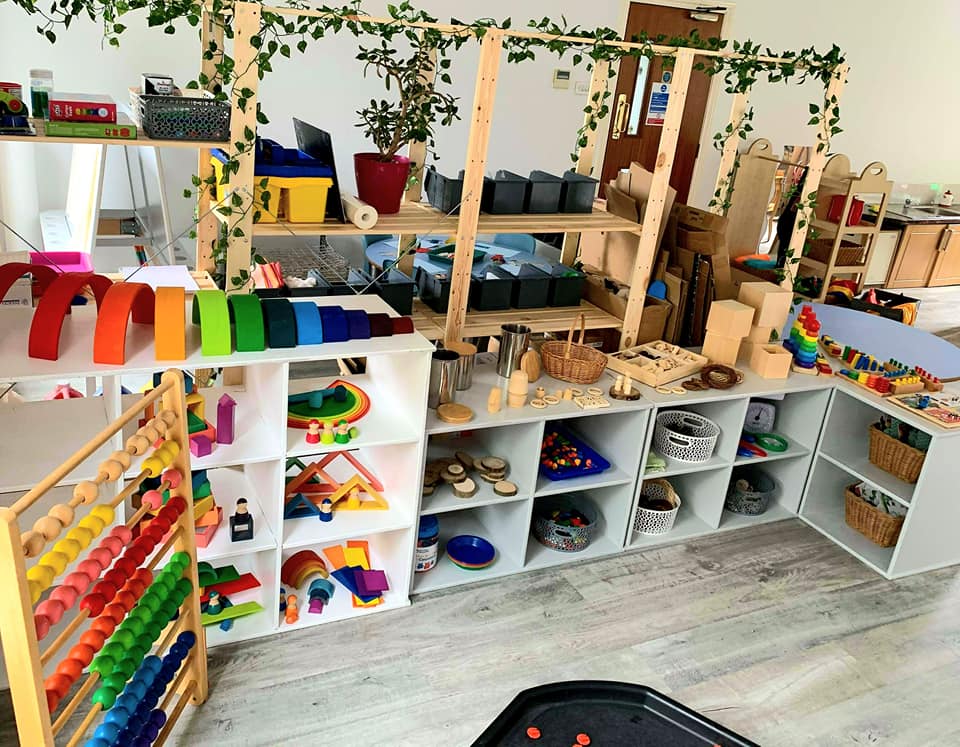
Sensory-Motor Learning: Activities like building with blocks, digging in the sand, or painting help children integrate their sensory experiences with motor actions. These experiences stimulate the brain, leading to the development of strong neural pathways that support higher-order thinking skills later in life, such as memory, attention, and reasoning.
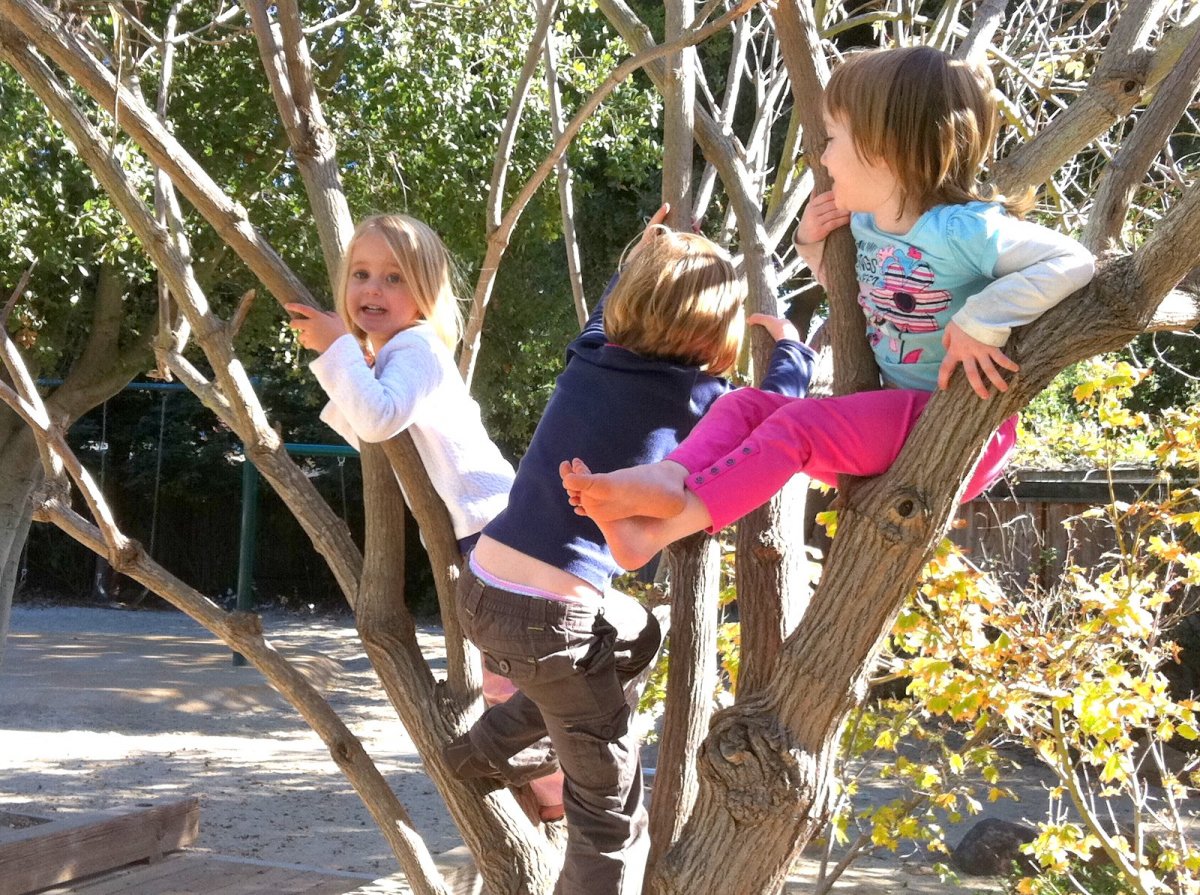
Experience-Expectant Brain Development: The brain is “experience expectant,” meaning that it is wired to expect certain types of sensory and motor input to develop properly. Child-directed play allows children to naturally focus on the experiences they need to meet their current developmental drive. For example, a child learning to balance may be drawn to physical activities like climbing or jumping. These activities provide the necessary input for the brain to develop critical motor and cognitive skills.
The Role of Joy, Wonder, and Curiosity
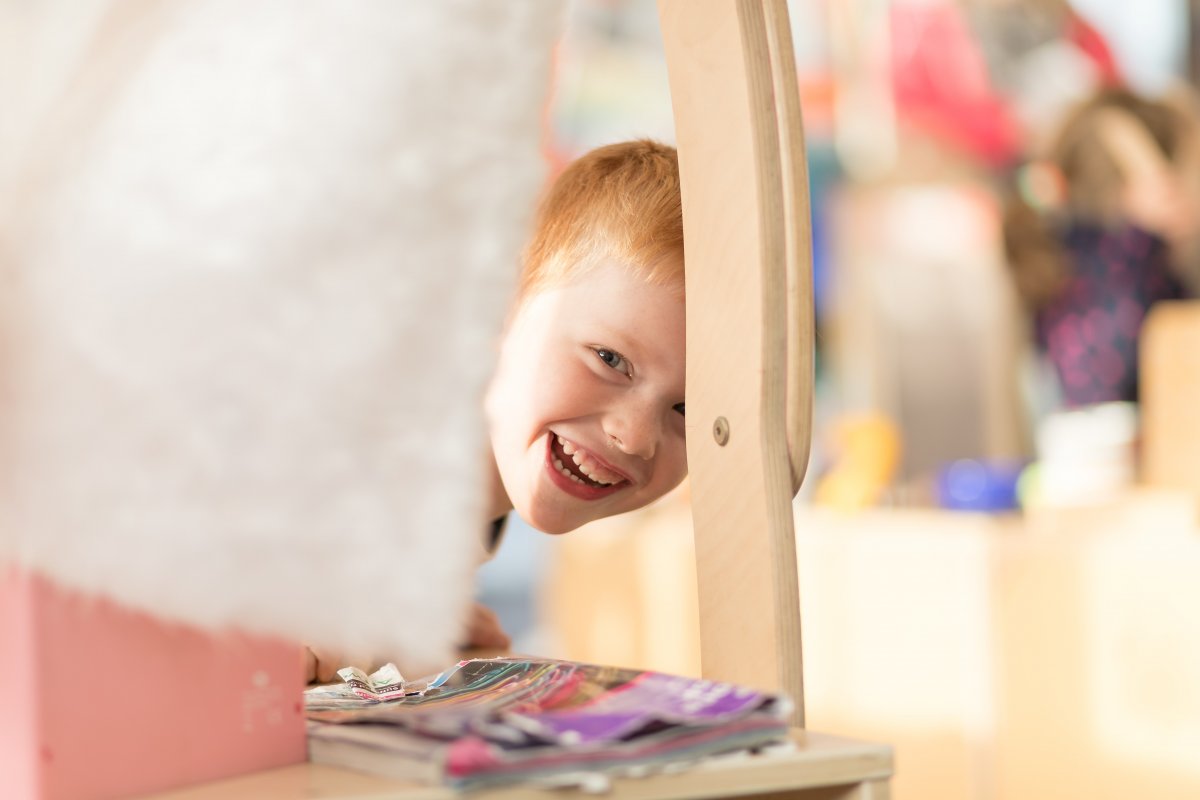
Children are naturally driven by curiosity and a sense of wonder about the world around them. Our curriculum is designed to tap into this joy by offering exciting, engaging experiences that capture their interest. When children are motivated and excited to learn, they experience a heightened state of well-being, which has profound effects on their ability to learn and retain information.
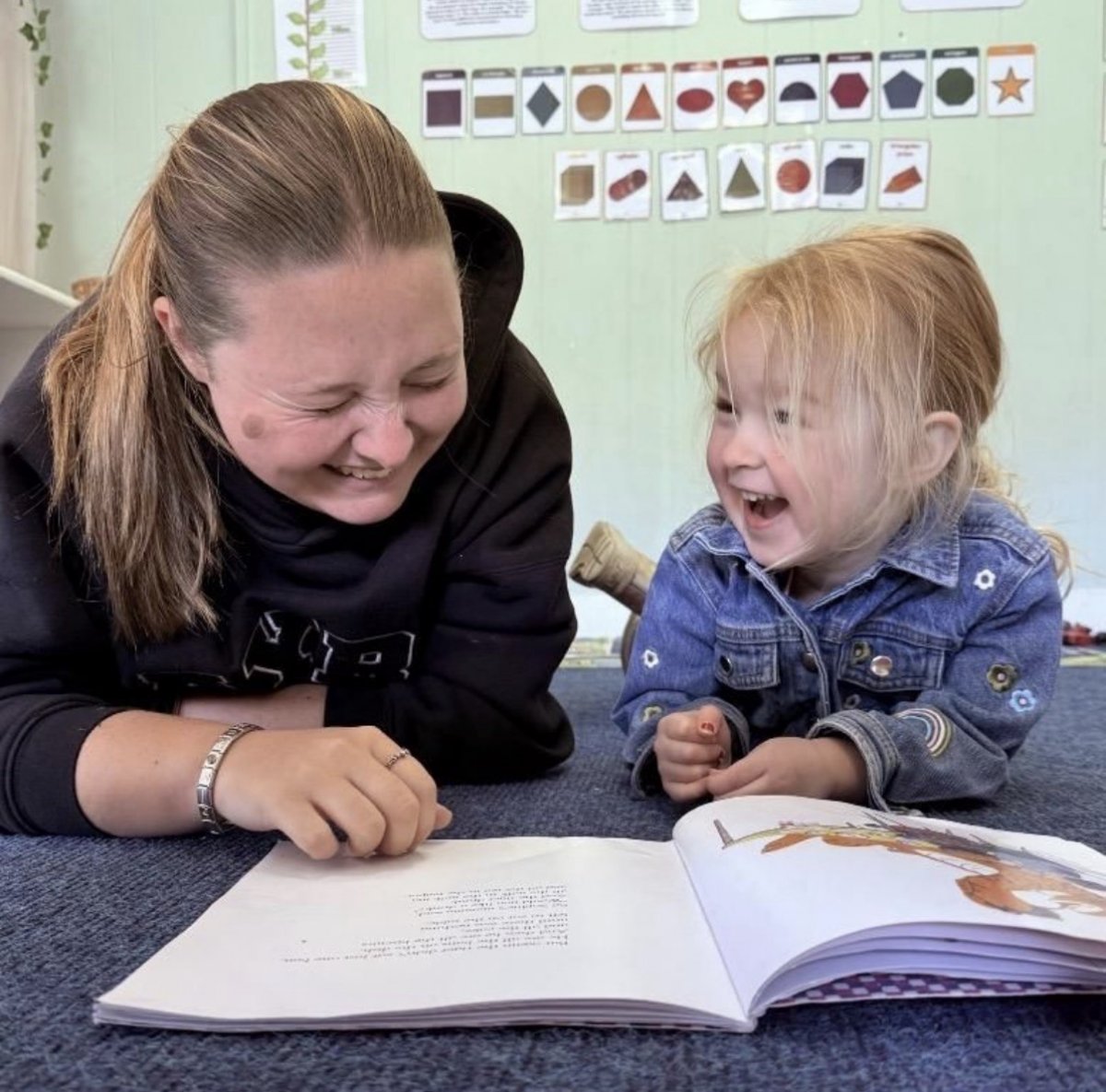
Motivation and Engagement: Play is inherently enjoyable, and this joy keeps children engaged in their learning. A child who is excited to figure out how something works or how to solve a challenge is more likely to stay focused, persist in the task, and remember the outcome. This engagement fosters deep learning, as children are actively involved in the learning process.
Neurological and Biological Impact of Well-Being: When children experience joy and curiosity, their brain releases dopamine, a neurotransmitter associated with pleasure, motivation, and learning. This creates an optimal neurological state for learning, as the brain becomes more receptive to absorbing and processing new information. Moreover, being in a positive emotional state lowers stress and promotes cortisol balance, which supports overall health and cognitive function.